I remember kaleidoscopes mostly from museum gift shops.
Not necessarily the expensive museums either. Science museums, little local museums, National Trust gift shops — anywhere that had a rack of slightly educational toys alongside pencils, gemstones and things that glowed in the dark.
I always thought kaleidoscopes were brilliant.
You’d point one towards a window, slowly turn the end and suddenly something completely ordinary was transformed into this incredibly complicated geometric pattern. Turn it a few millimetres more and it was gone forever, replaced by something else.
There was something particularly good about the fact that you weren’t really creating the image. You were just finding it.
Sometimes retro stays retro
The problem is that kaleidoscope graphics have never really escaped the kaleidoscope.
There are plenty of old visual ideas that disappear for a while and then find a completely new context. Others seem permanently attached to the era or culture that popularised them.
Tie-dye is perhaps a good example. You can reinvent it, change the colours, put it on an expensive T-shirt and photograph it beautifully — but somewhere underneath, it’s still tie-dye.
Kaleidoscope graphics feel similar.
They’re psychedelic. They’re a bit 1960s. They’re album artwork. They’re screen savers. They’re those music visualisers we used to leave running on computers.
They’re cool, but still not very usable.
And that’s partly what made me want to make one.
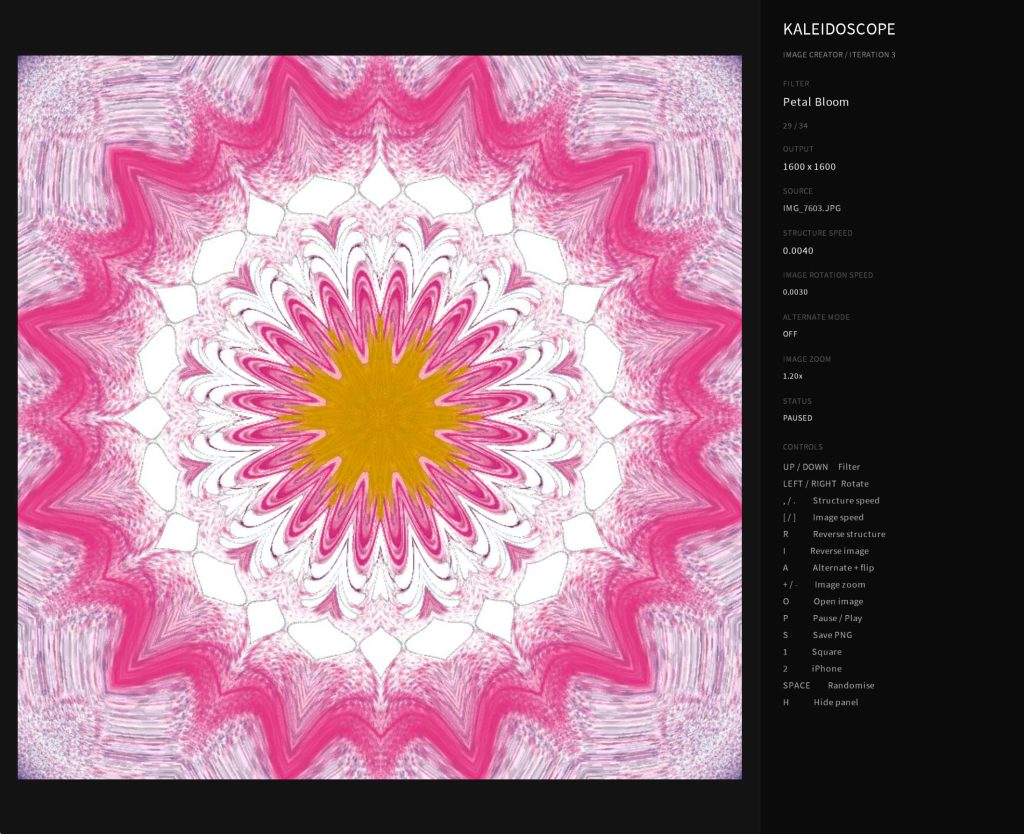
Building my own kaleidoscope
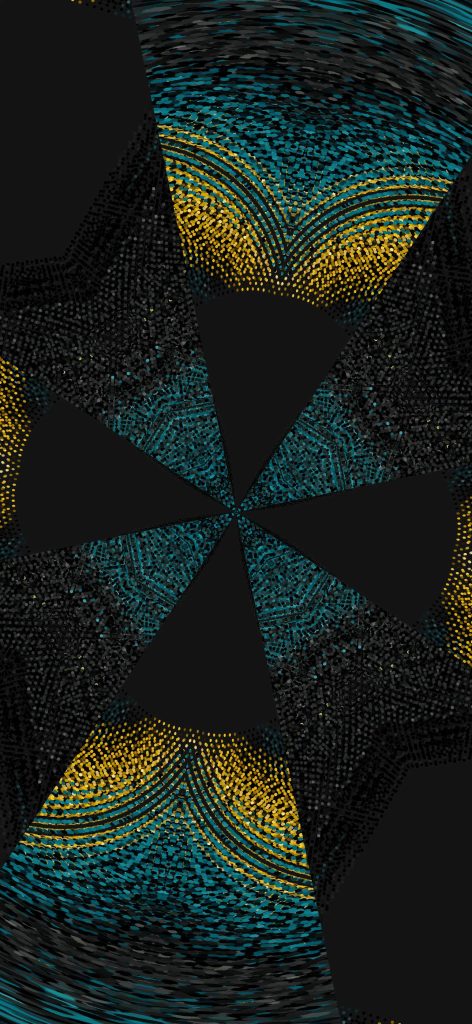
Rather than trying to make a single piece of artwork, I started building a kaleidoscope image generator in Processing.
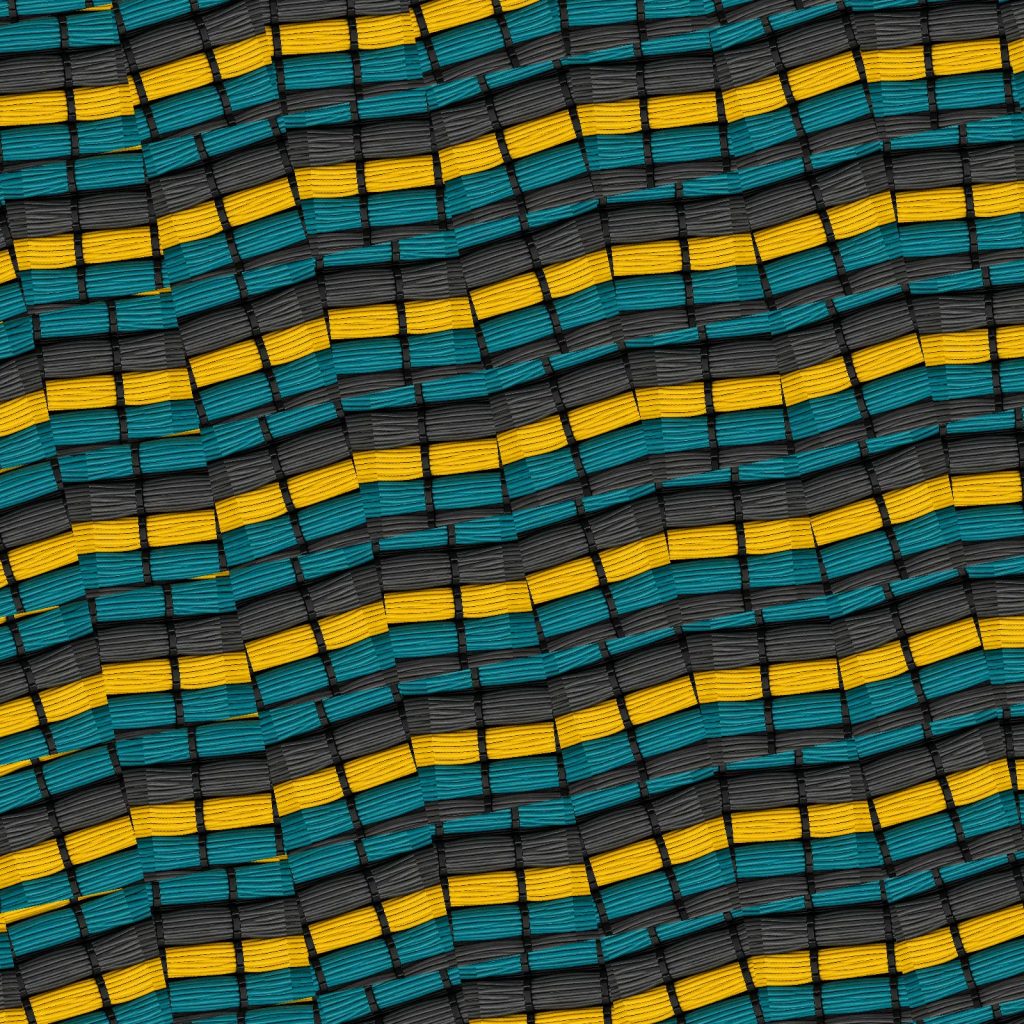
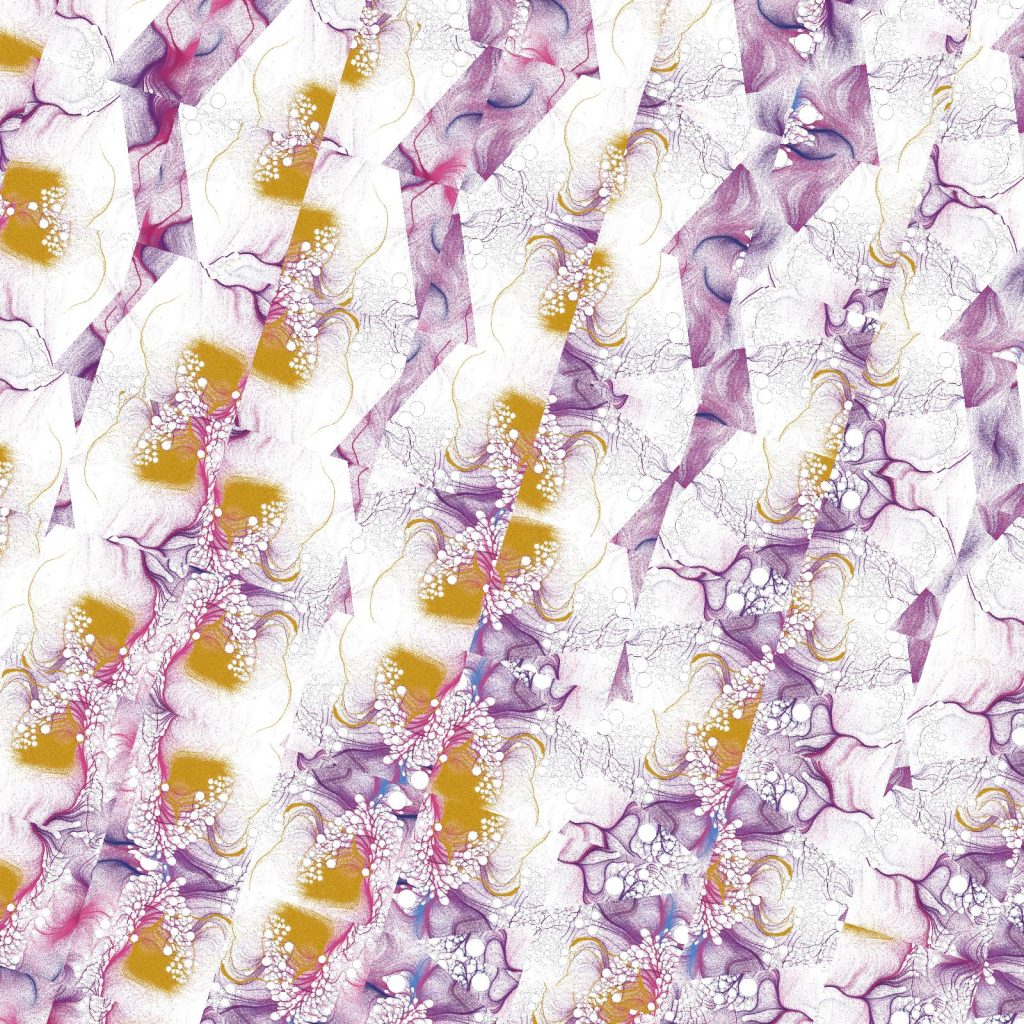
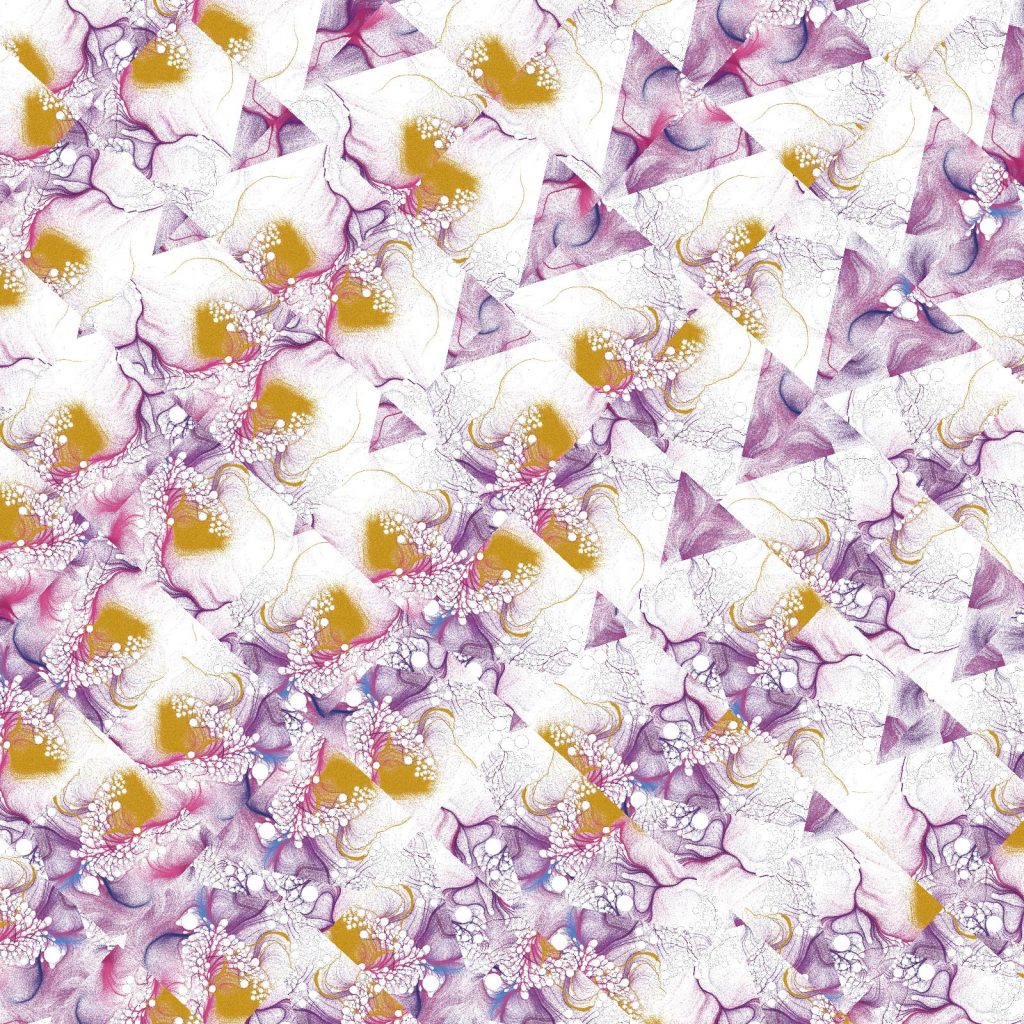
You load an ordinary photograph and the software starts pulling it apart through rotation, repetition and reflection.
The first versions behaved much more like a traditional kaleidoscope. The image is divided into radial segments and those segments are repeated around a central point.
Six sides.
Eight.
Ten.
Twelve.
Fourteen.
Sixteen.
Then mirrored versions. Flipped versions. Mirrored and flipped versions.
And because it’s code rather than a physical object, the rules don’t have to stop there.
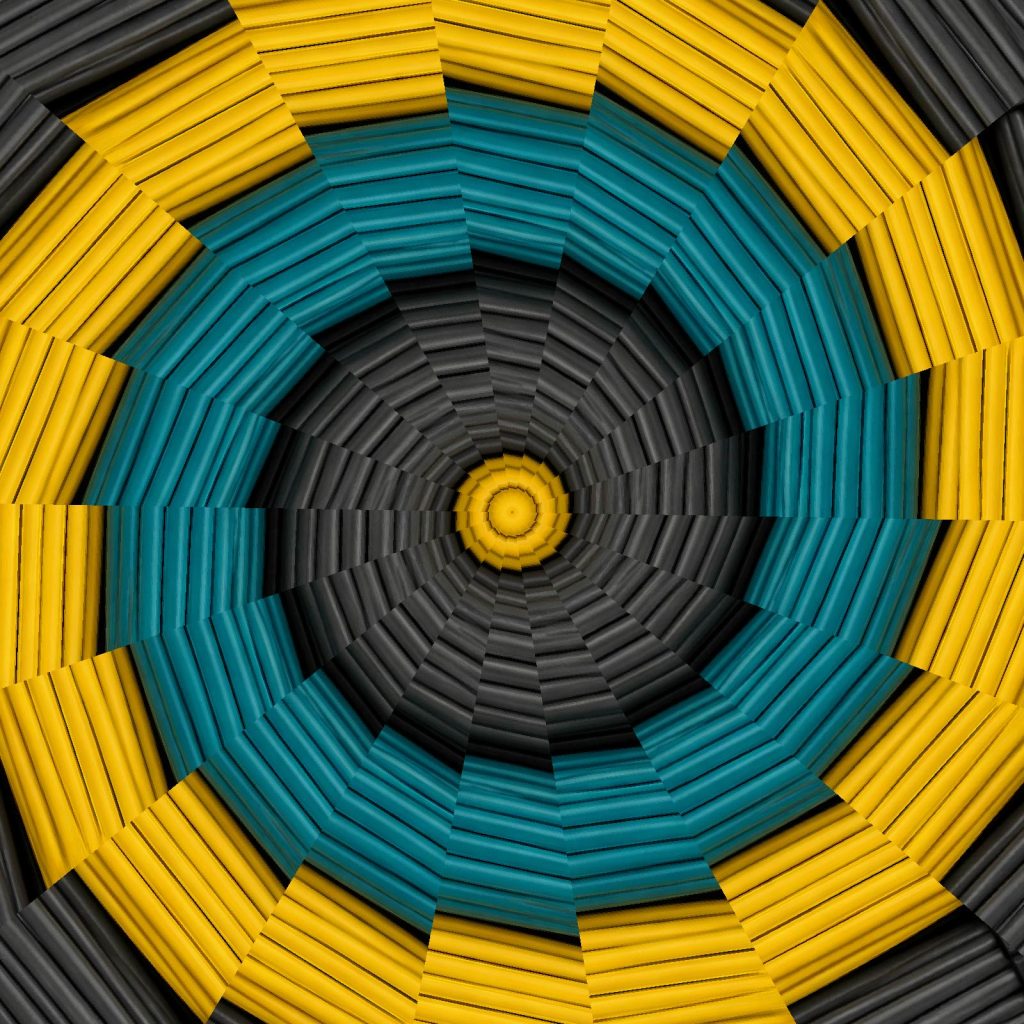
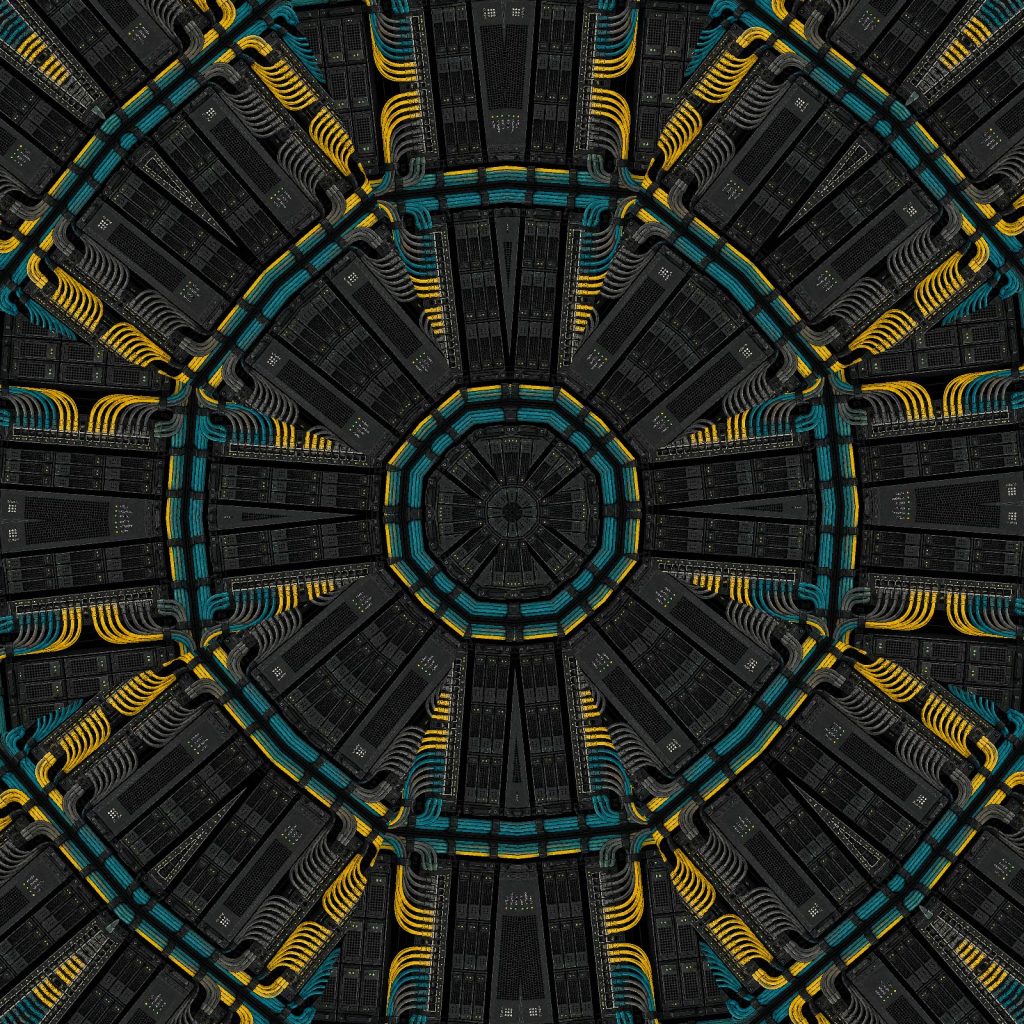
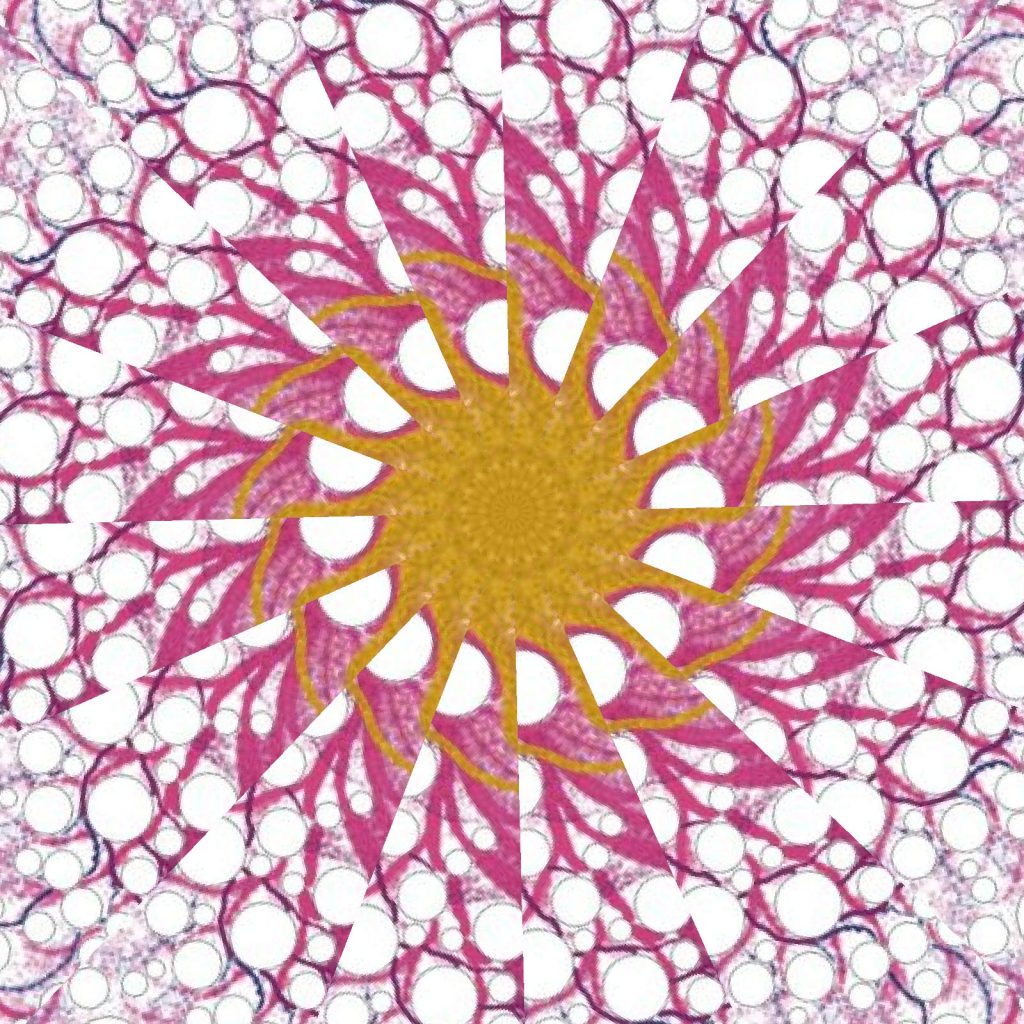
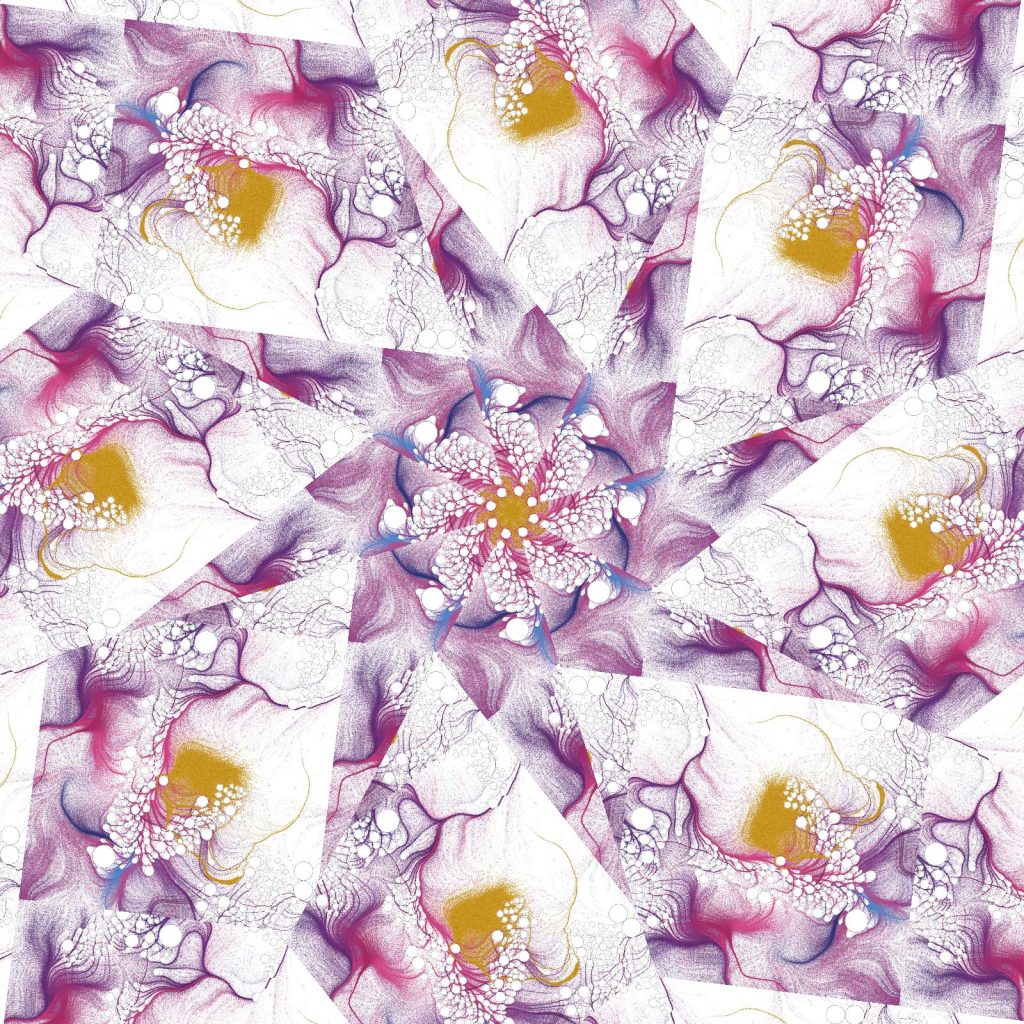
The photograph can slowly rotate inside the segments while the overall structure rotates independently. Alternate sections can travel clockwise and anticlockwise. They can flip as they move.
Suddenly the source photograph becomes almost irrelevant.
You’re looking at relationships between tiny bits of it instead.
Finding things in reflections
This is where the experiment became more interesting to me.
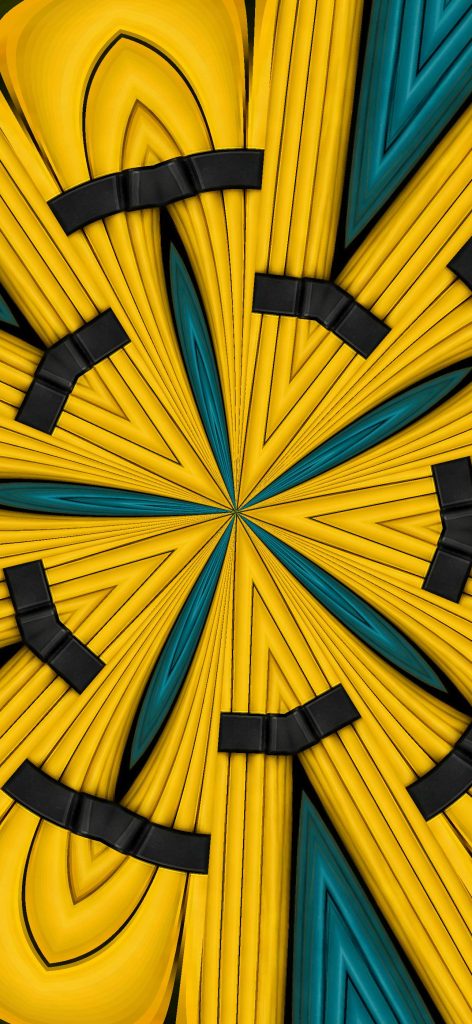
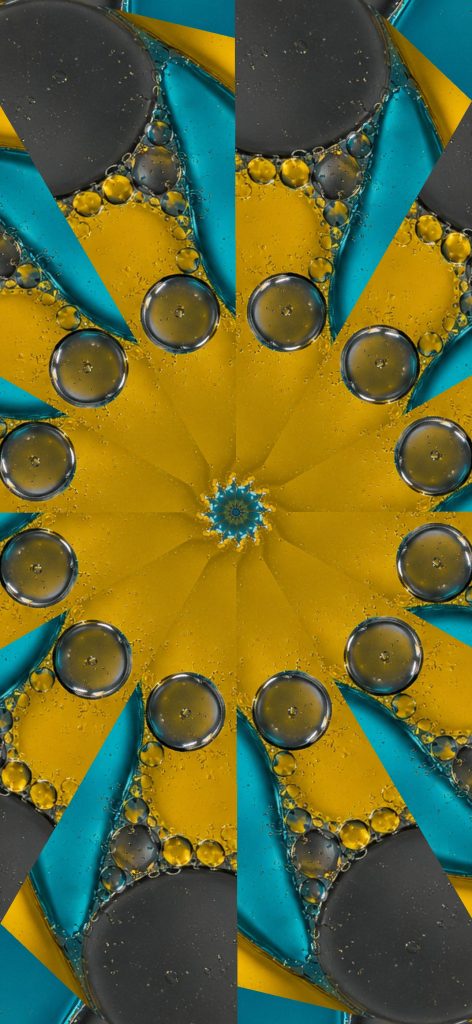
There are some genuinely interesting shapes and forms to be found in reflection.
A small line in a photograph might become a six-pointed structure. A bit of shadow can turn into an architectural form. Something completely insignificant near the edge of the original image can become the dominant feature of the generated one.
It feels a little like looking for faces in clouds.
You’re not necessarily designing the shape directly. You’re creating the conditions that allow you to discover it.
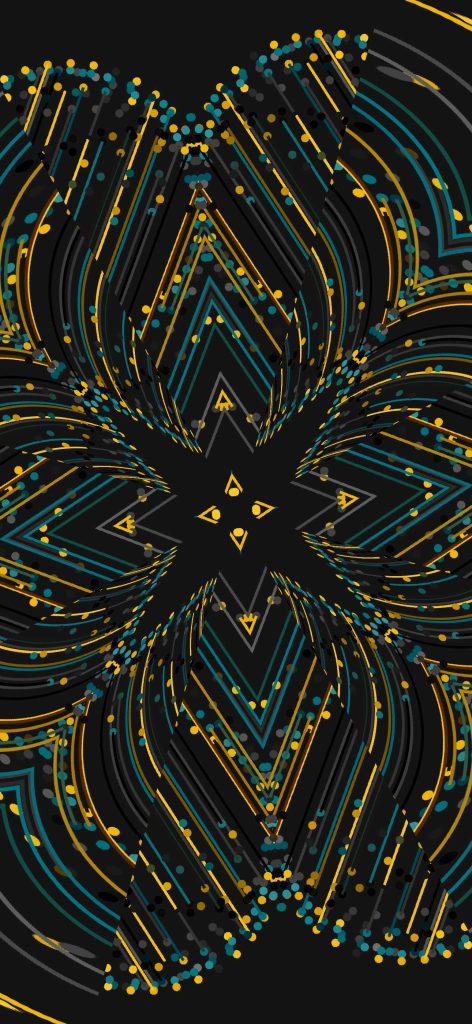
That also meant I became less interested in recreating a real kaleidoscope and more interested in abusing the underlying idea.
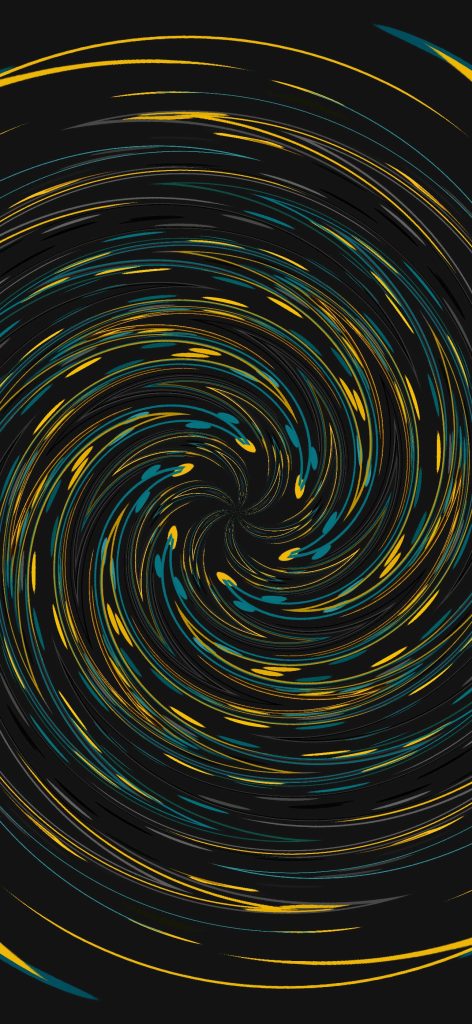
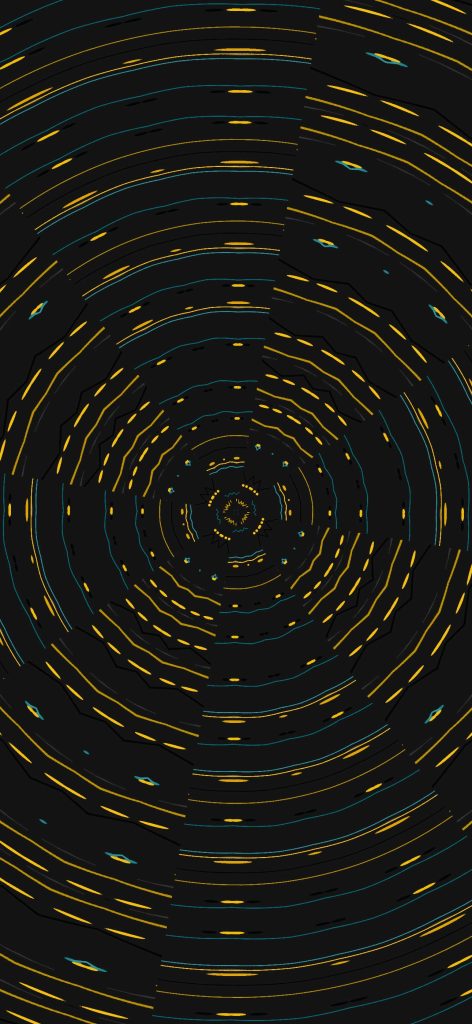
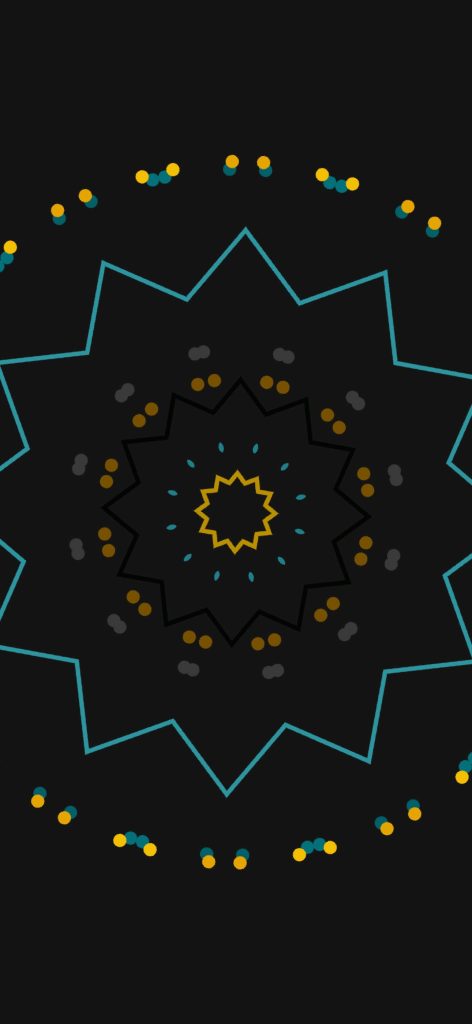
Breaking the kaleidoscope
The project now contains 34 different filters.
Some remain fairly traditional: Hex Core, Octa Mirror, Dec Flip Mirror and Dodec Core.
Others start pulling the principle apart.
Spiral Mirror twists the repeated sections as they move away from the centre.
Alternating Rings breaks the image into concentric sections travelling in opposing directions.
Liquid Kaleido deliberately distorts the geometry so the reflections ripple and bend.
Crystal Shards treats the photograph more like a sheet of fractured reflective material.
Orbit Cells puts fragments of the image into individual circular lenses moving around the composition.
Then there are experiments such as Infinity, Infinity Tunnel and Helix Tunnel, where the original two-dimensional kaleidoscope idea starts moving into three-dimensional space.
At that point I’m not entirely sure they qualify as kaleidoscopes any more.
Which is probably a good thing.
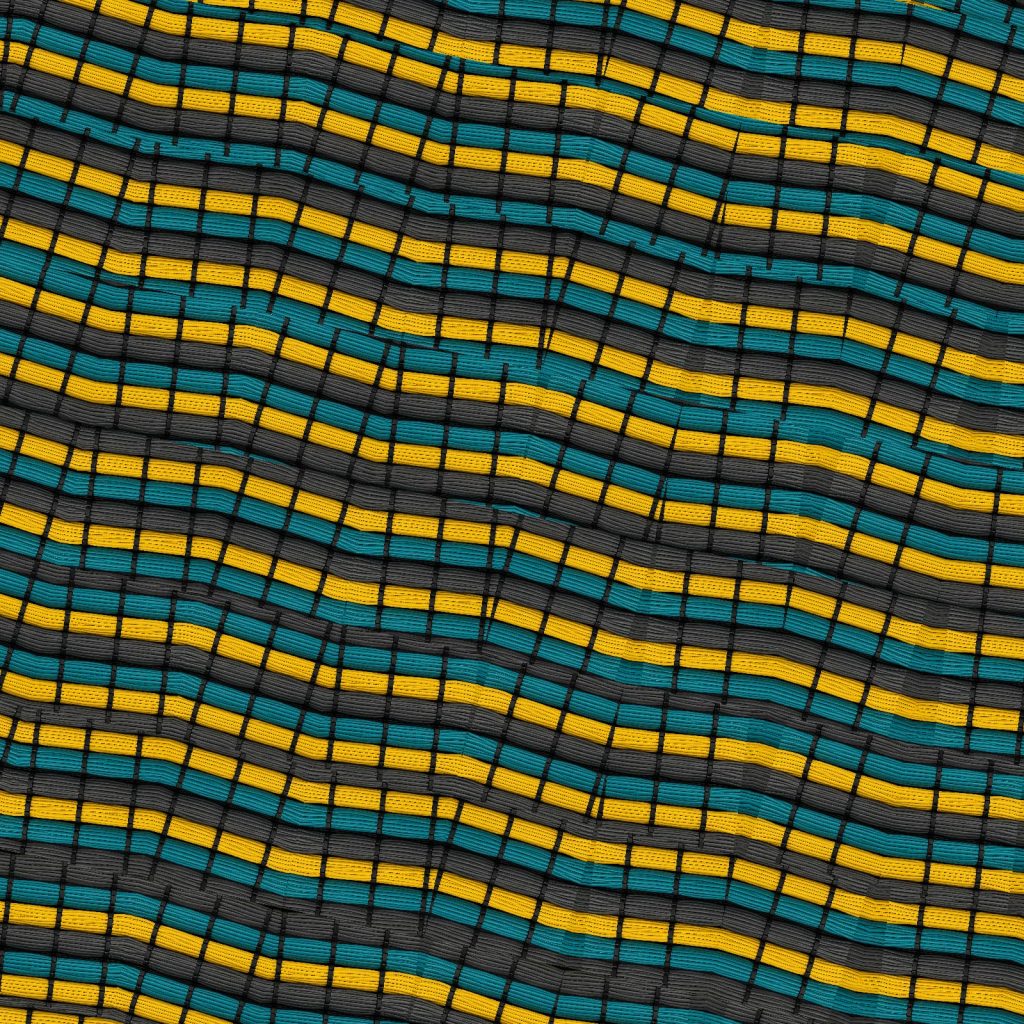
The photograph becomes raw material
One thing I’ve particularly enjoyed is seeing how differently photographs behave once they’re fed into the system.
A photograph doesn’t need to be particularly good.
In fact, an unremarkable photograph can sometimes produce a better result because you’re no longer really interested in its original composition.
Colour, texture, edges, highlights and shadows become the raw materials.
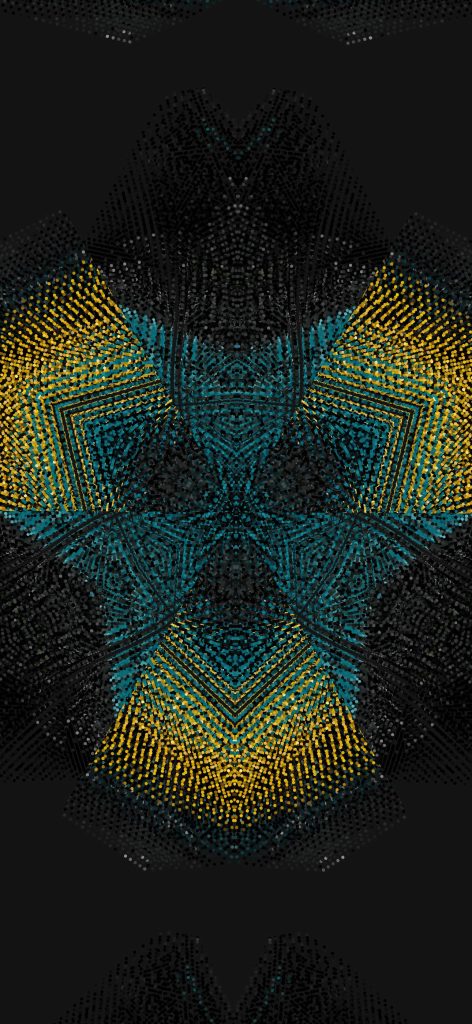
A tiny patch of yellow might suddenly repeat around the centre and create a flower-like form. Straight architectural lines become impossible structures. Organic textures can produce things that look strangely biological.
And because everything is moving, you can simply pause when something interesting appears.
P pauses the animation.
S renders the current composition as a high-resolution PNG.
So the software is less about producing the final kaleidoscope and more about continuously presenting possibilities.
But would I actually use one?
That’s the question I’ve kept coming back to.
Probably not.
At least, I don’t think I’m about to start putting giant kaleidoscope graphics into website headers or designing psychedelic posters.
But I don’t think that makes the experiment pointless.
The interesting bit might not be the finished kaleidoscope at all.
It might be one tiny crop from it.
A strange piece of reflected typography. An unexpected symmetrical mark. A texture. A shape that could become the beginning of something completely unrelated.
That’s where generative tools become particularly useful to me. They don’t necessarily have to make the finished piece of design.
Sometimes they just need to show you something you wouldn’t have thought to draw.
And perhaps that’s ultimately what I liked about those little museum kaleidoscopes in the first place.
You weren’t really looking through them to see the world.
You were turning them until you found something interesting.